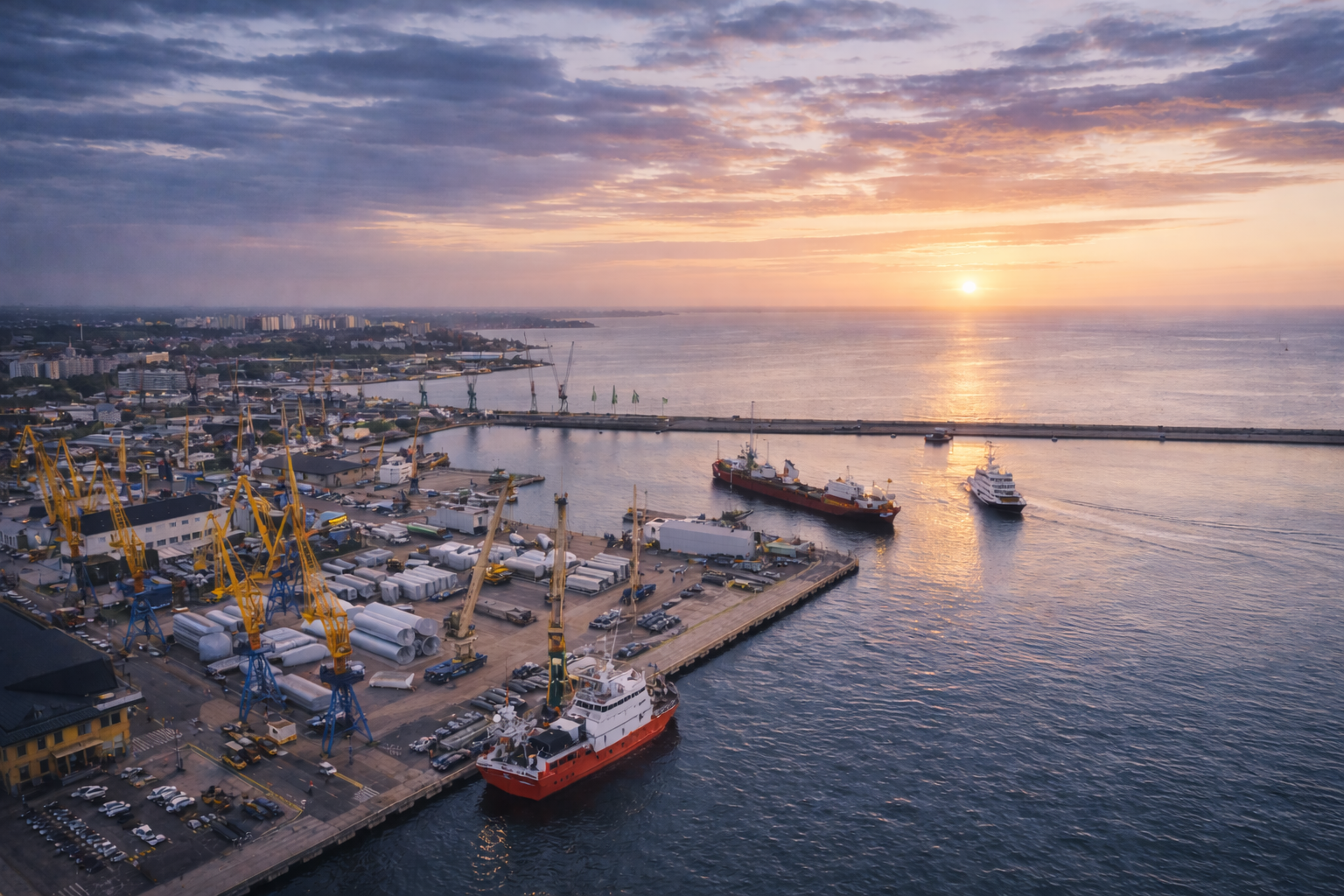
The Pomeranian region is rapidly evolving into the heartbeat of Poland’s energy transformation. Once defined primarily by shipbuilding and seasonal tourism, the Baltic coast is now the stage for massive investments that will reshape the local labour market.
From offshore wind farms to nuclear power and expanded logistics hubs, Pomerania is becoming an innovation hub for Europe’s green future. But as the infrastructure rises, one question remains: Do we have the people to run it?
The numbers behind Poland's energy shift are staggering. The development of offshore wind in the Baltic Sea is unprecedented, with targets set to install 6 GW of capacity by 2030, growing to 18 GW by 2040. This output is equivalent to several of Europe’s largest conventional power plants.
Major global players are already moving pieces on the board:
These aren't just energy stats - they represent multi-billion-euro investments that will require a massive, long-term workforce.
The ports of Gdynia and Gdańsk are preparing for record cargo volumes, while the Port of Ustka is being developed into a hub for turbine installation and maintenance.
Tomasz Lisiecki, an expert in port operations and offshore sectors, notes that this transformation goes beyond just the water. The region is seeing heavy investment in access roads, rail connections, and heavy lifting equipment.
"Massive investments in renewable and nuclear infrastructure will trigger a whole ecosystem of new businesses and opportunities. Young people, their parents, and career advisors should already be thinking about education paths that allow them to benefit from these changes," says Lisiecki.
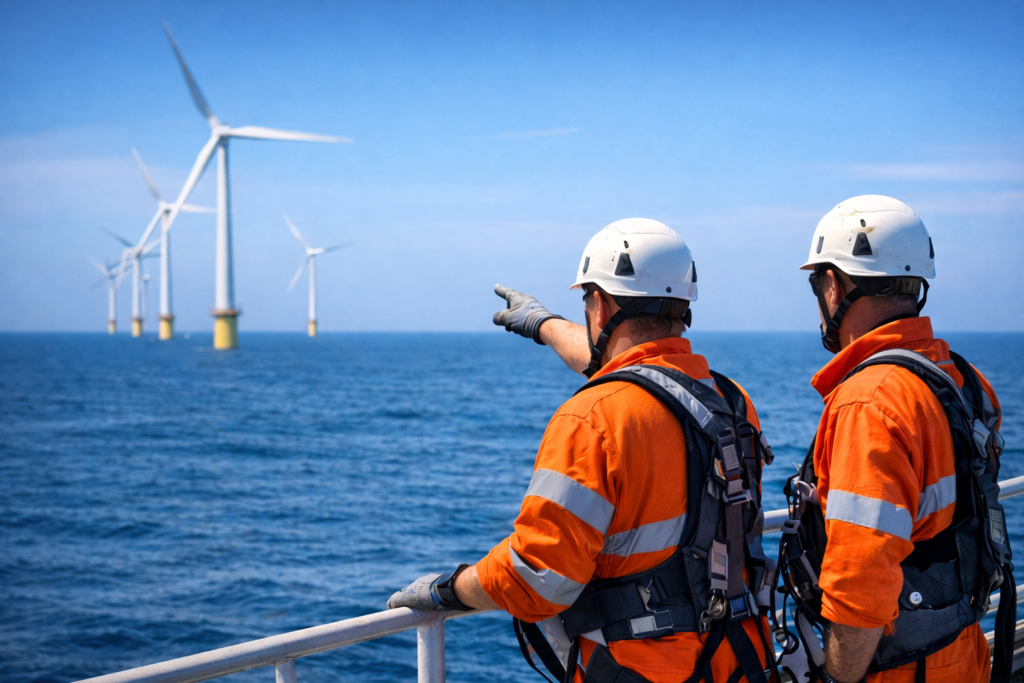
The technology is ready, but the workforce is not job-ready. Estimates suggest the offshore supply chain alone could create over 60,000 jobs.
We aren't just talking about engineers. The sector needs a diverse mix of talent:
To bridge this gap, institutions like the Maritime University of Gdynia, Gdańsk University of Technology, and the Center for New Competencies are revolutionising vocational training.
The era of "dusty textbooks" is over.
Today’s training involves advanced simulators and Virtual Reality (VR), allowing technicians to practice turbine repairs or vessel manoeuvres in a risk-free digital environment before ever stepping foot on a ship.
However, innovation is often slowed by regulatory complexity.
"In an era of artificial intelligence and advanced simulators, we must rethink how skills are verified. If certification can be faster and more effective without lowering standards - or even improving them - we should pursue it seriously."
Energy transformation is about more than just megawatts; it is an economic engine. It stimulates transport, construction, hospitality, and manufacturing.
For the next generation, the message is clear: The jobs of the future are here, they are high-tech, and they are lucrative. Technology will power the turbines, but people will power the transformation.