
For decades, Poland has been Europe’s manufacturing backbone. Today, it is transforming into a leader in zero-emission infrastructure and electrified logistics.
At the Gdynia Container Terminal (GCT), part of the global Hutchison Ports network, heavy industry is being rebuilt around electrification
This is not an upgrade — it is a systems redesign.
Ports are difficult to decarbonise - they are energy-intensive and operationally complex environments. Yet Poland is demonstrating that large-scale electrification can be both technically and commercially viable.
At GCT, the terminal is transitioning from a legacy diesel-based model to an electric-first operation.
The roadmap includes:
This is not a pilot project designed for headlines. It is industrial-scale deployment.
By 2030, the majority of the terminal’s assets are expected to be electric, with legacy diesel equipment phased out or modernised.
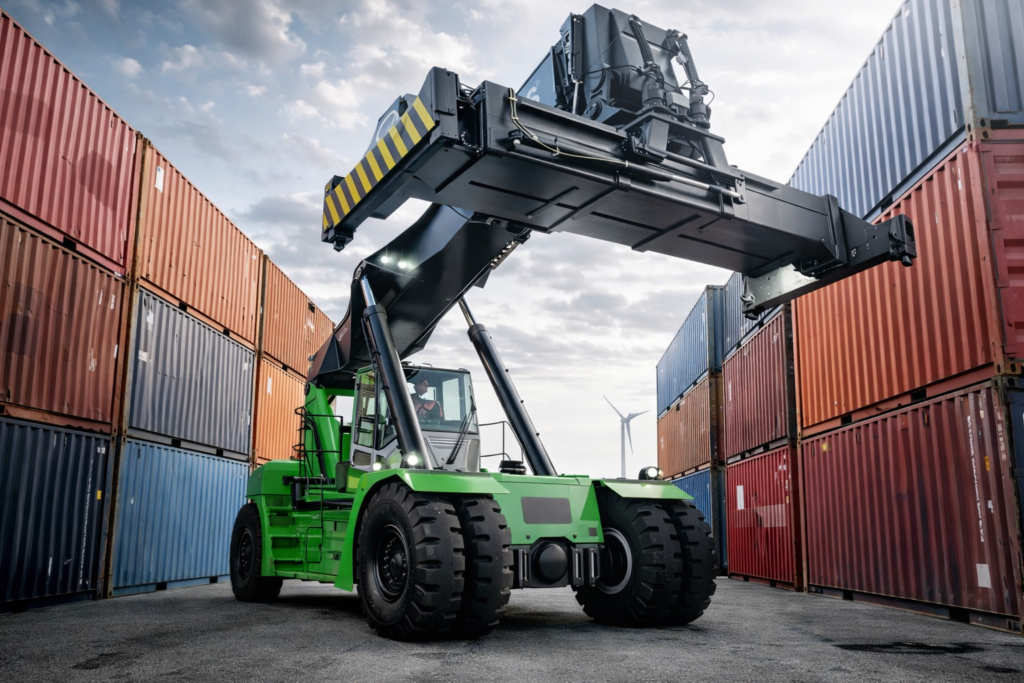
From an engineering perspective, this shift signals market maturity.
GCT’s leadership estimates that net-zero operations could be achieved by approximately 2035, placing Polish infrastructure on a trajectory that rivals - and in some cases may outpace - Northern Europe’s most advanced ports.
This is no longer about meeting minimum standards. It is about systems optimisation.
The final piece of the decarbonisation puzzle is the ships themselves.
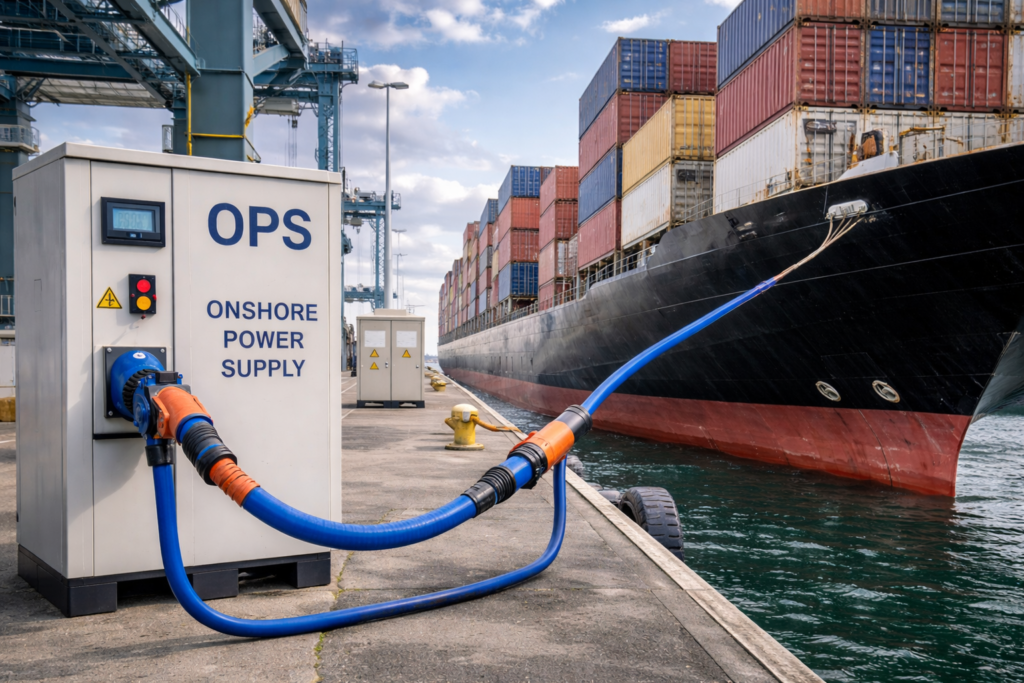
One of the largest sources of port pollution is vessels running auxiliary engines while docked. The solution is Onshore Power Supply (OPS) - allowing ships to plug directly into the land-based grid.
GCT is preparing for OPS implementation by mapping vessel energy profiles and planning grid capacity to meet EU regulations for 2030.
This transforms the port into an integrated energy hub.
Poland’s advantage lies in the convergence of three structural strengths:
The shift is clear.
Poland is no longer catching up to Western Europe — it is helping define the next generation of industrial infrastructure.
Looking to partner, invest, or collaborate in Poland’s green infrastructure transformation?